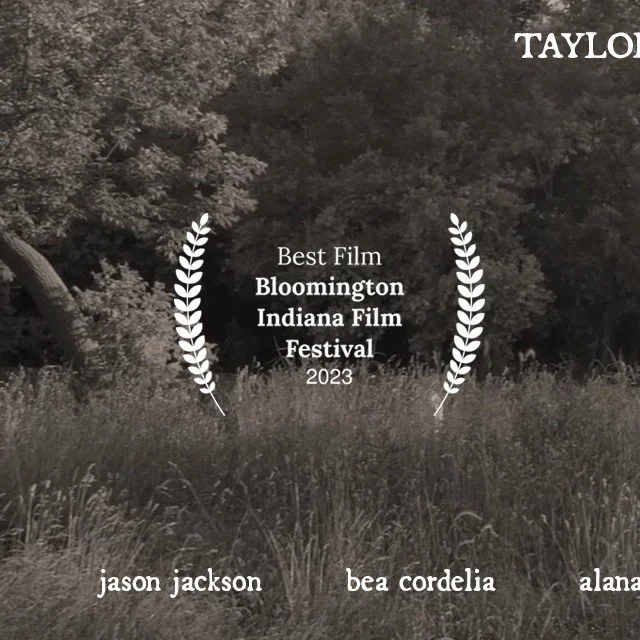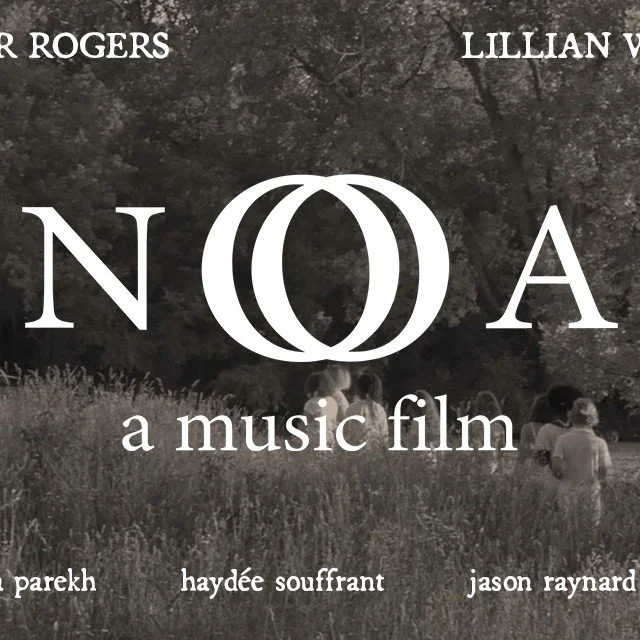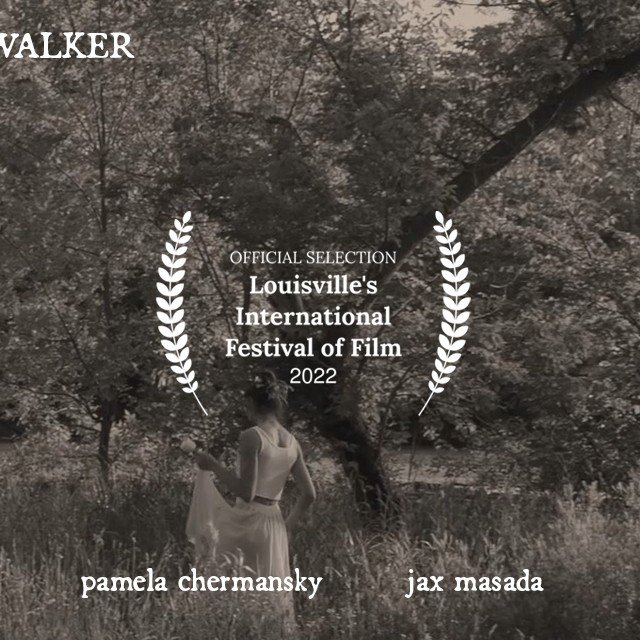
ActivityWatch Tay Roger’s award-winning Music Film alongside their chapter “Feeling Our Way Through: On Making a Dissertation Film”
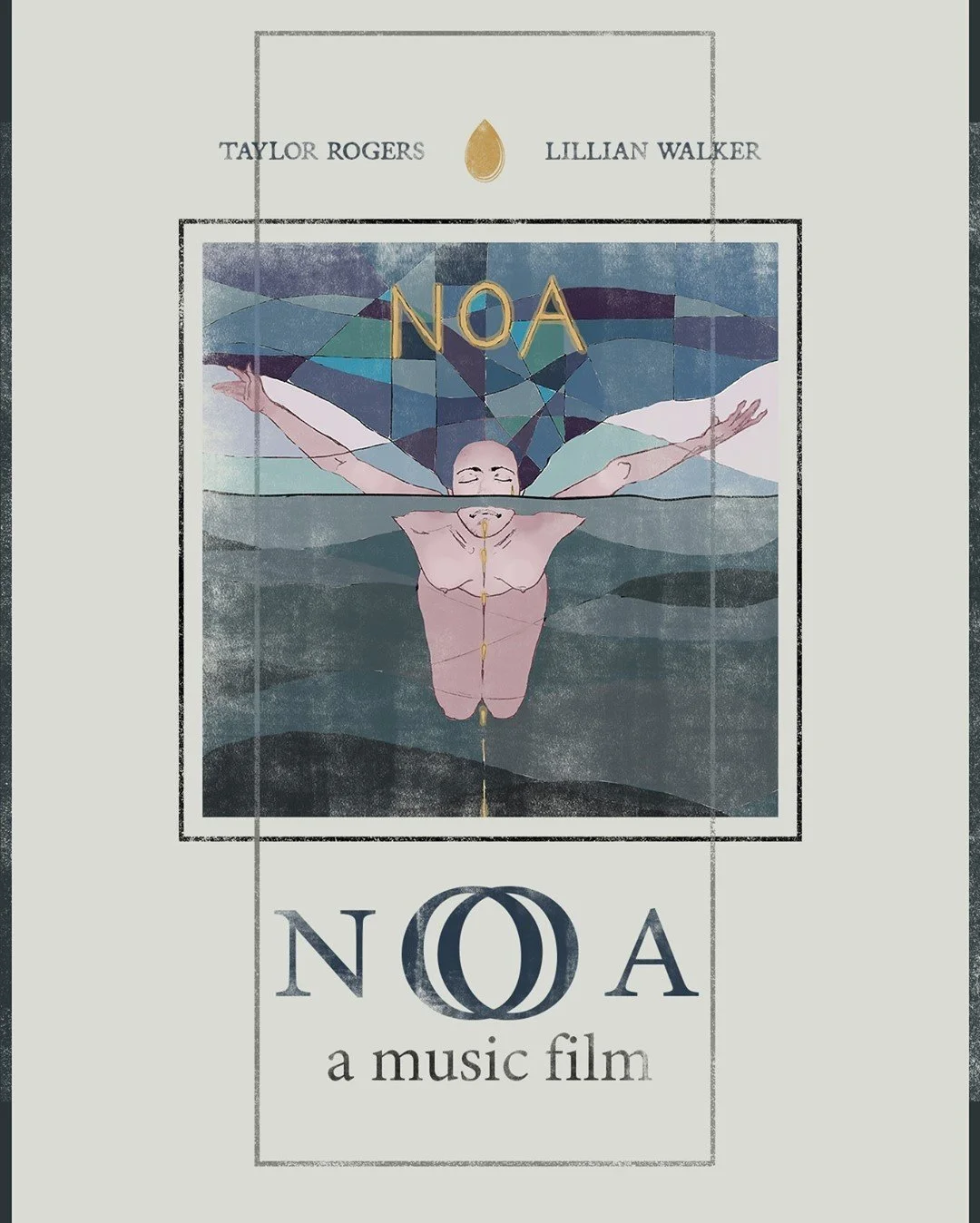
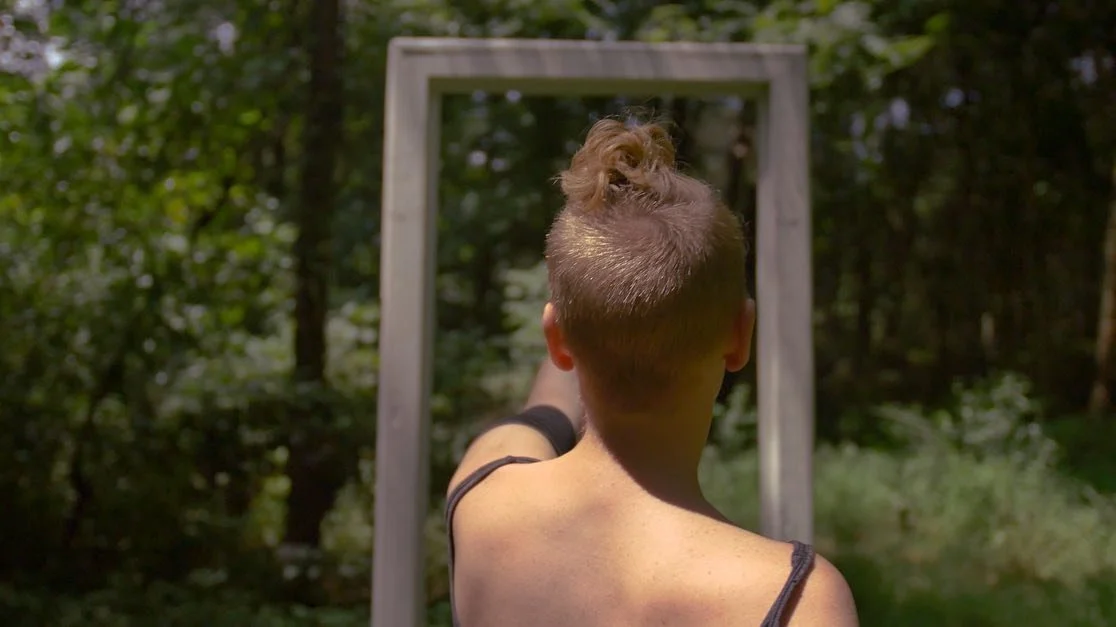
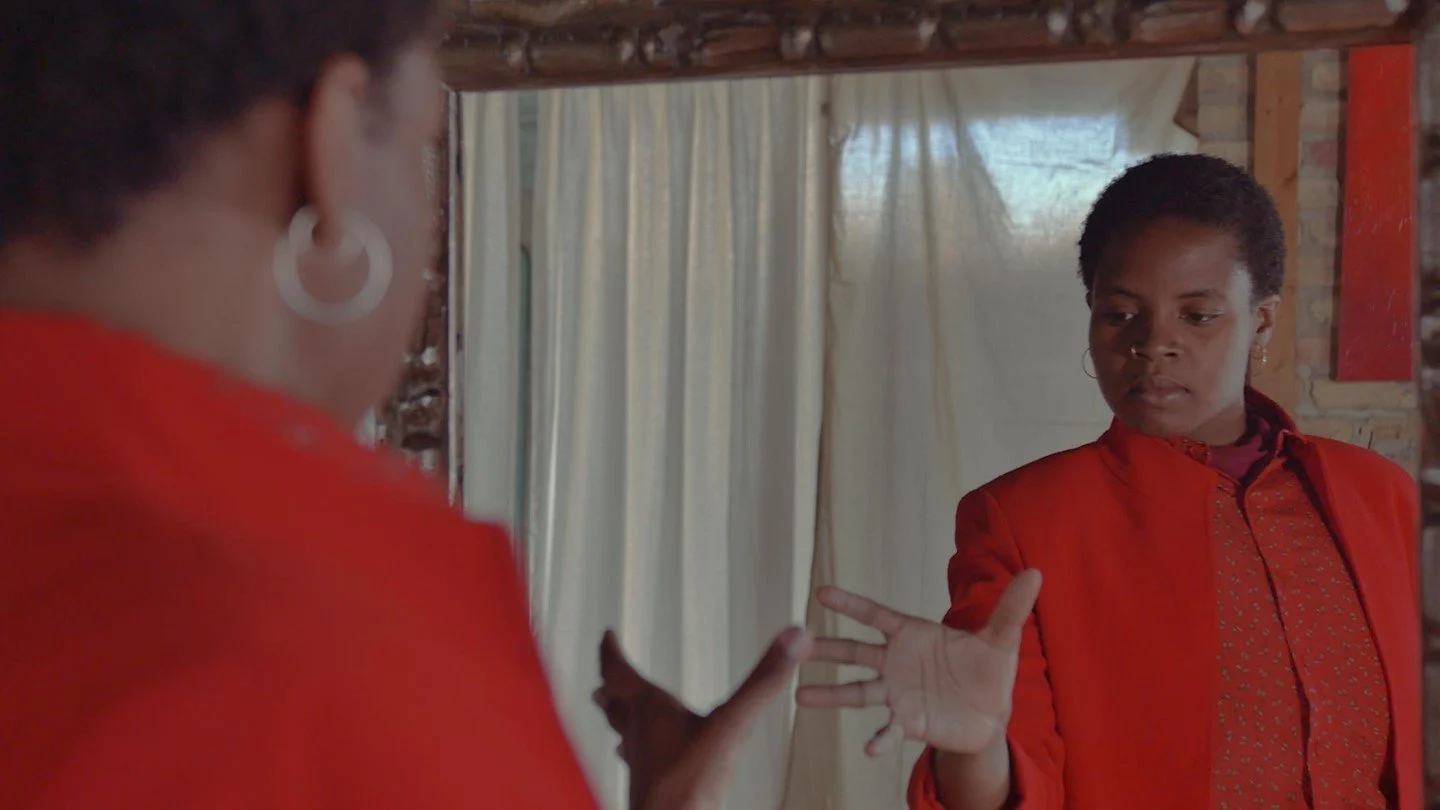
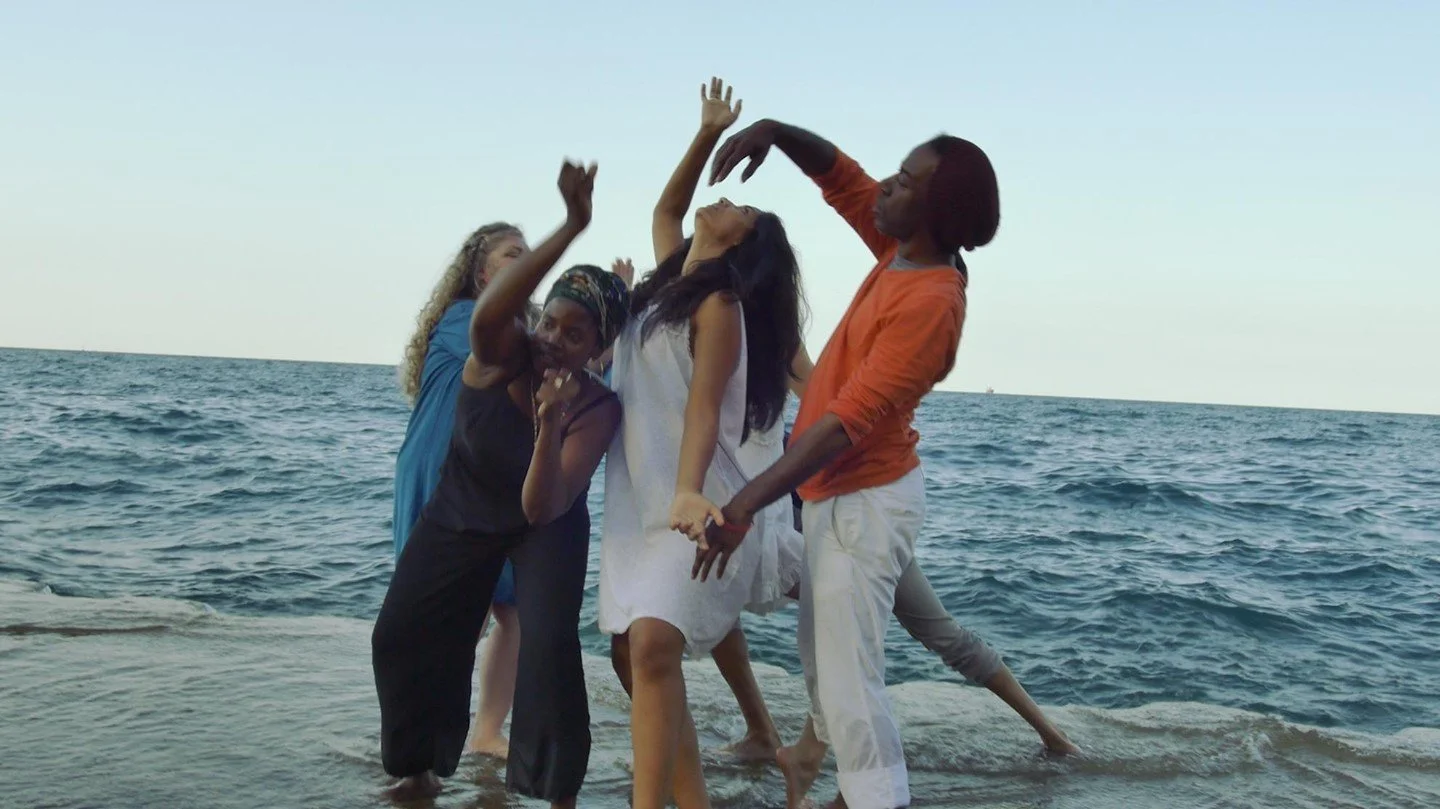
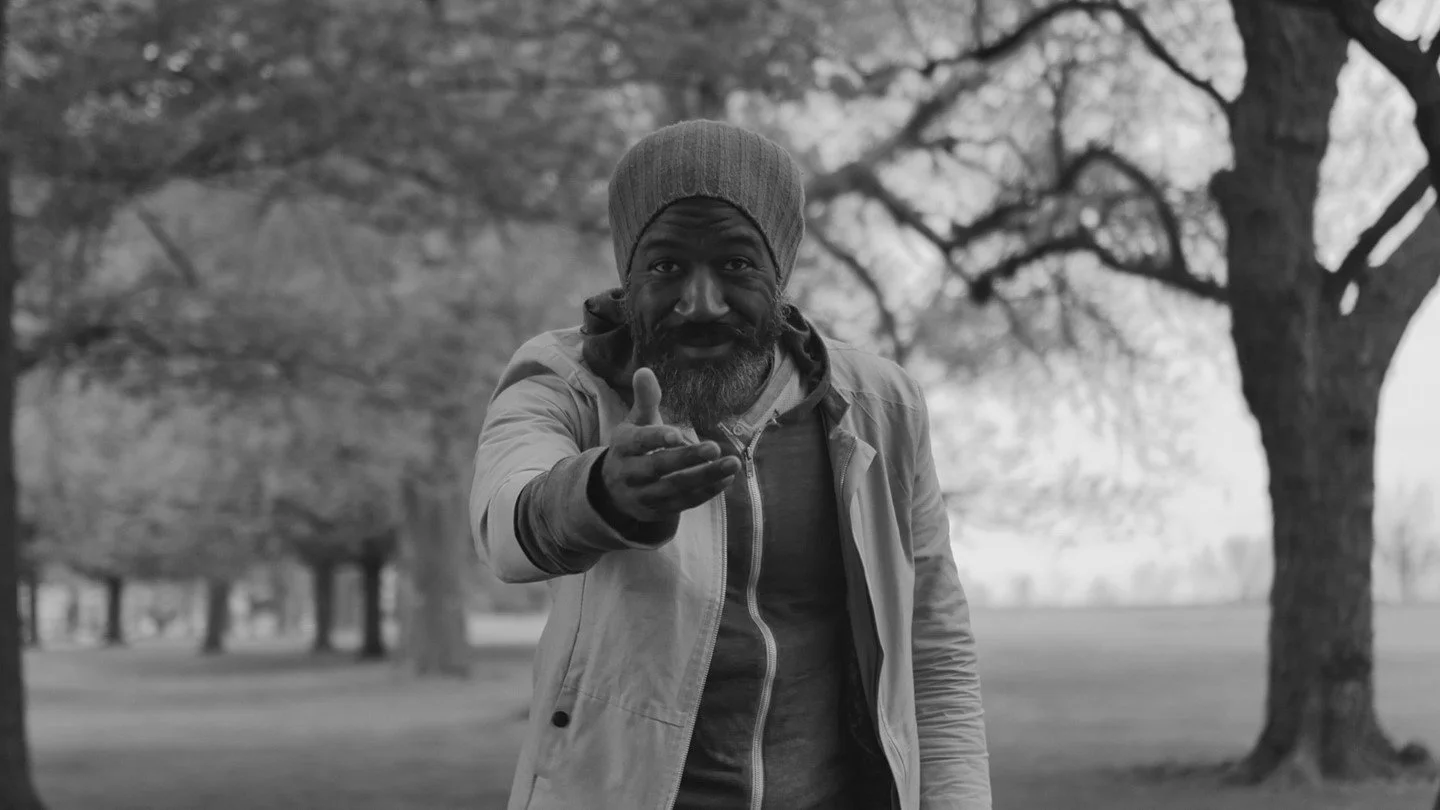
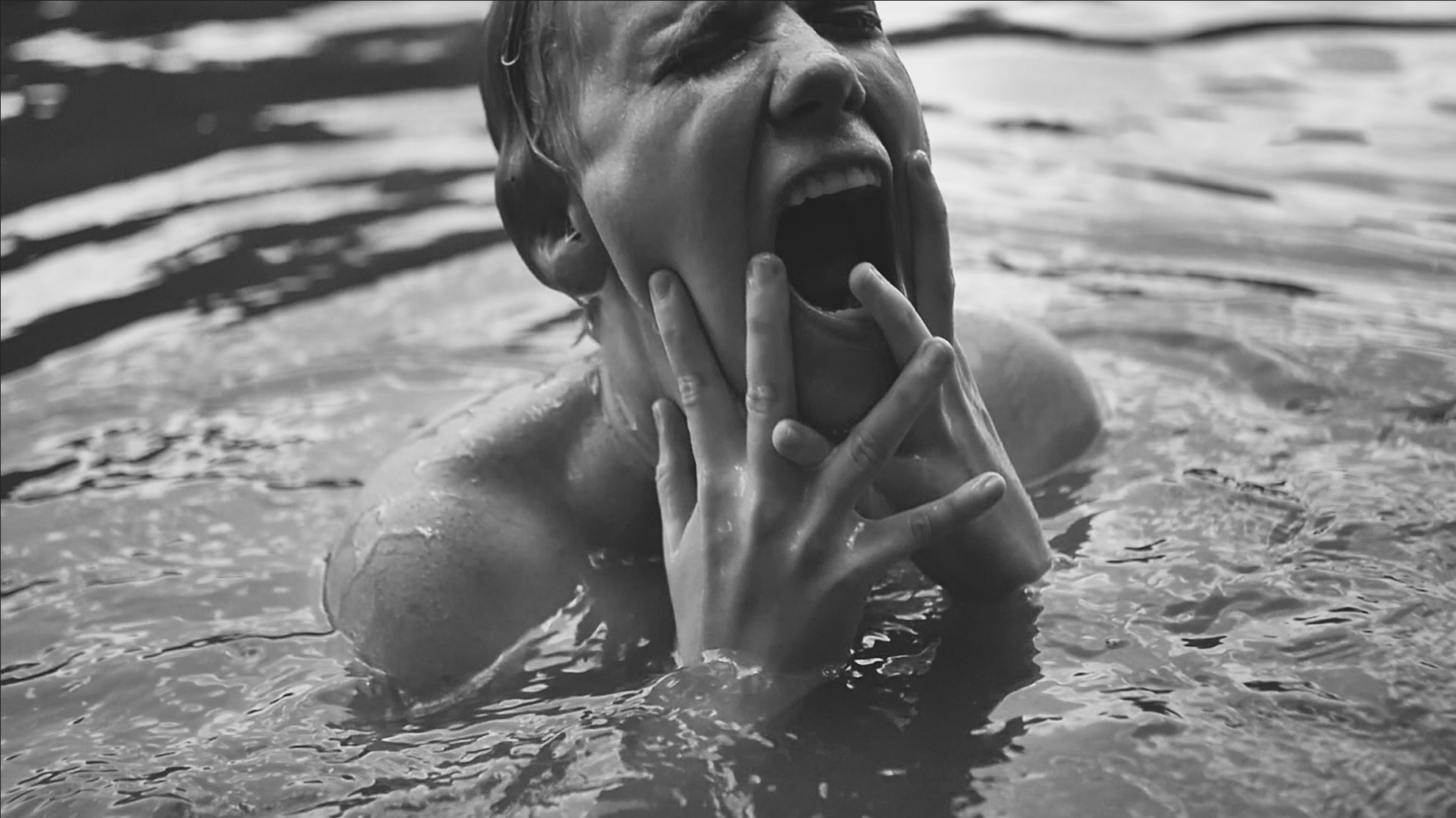
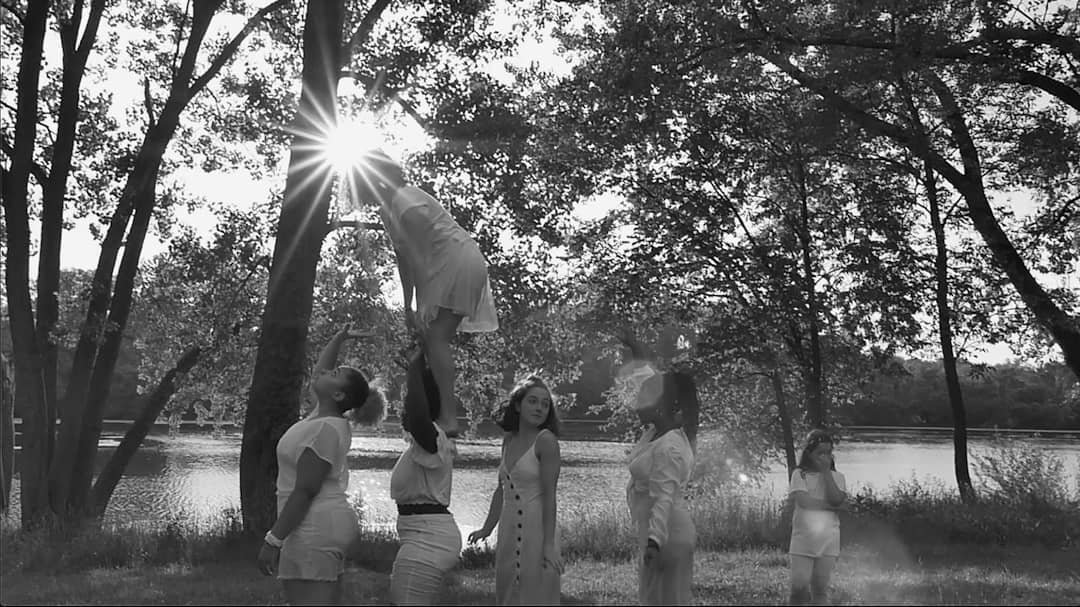
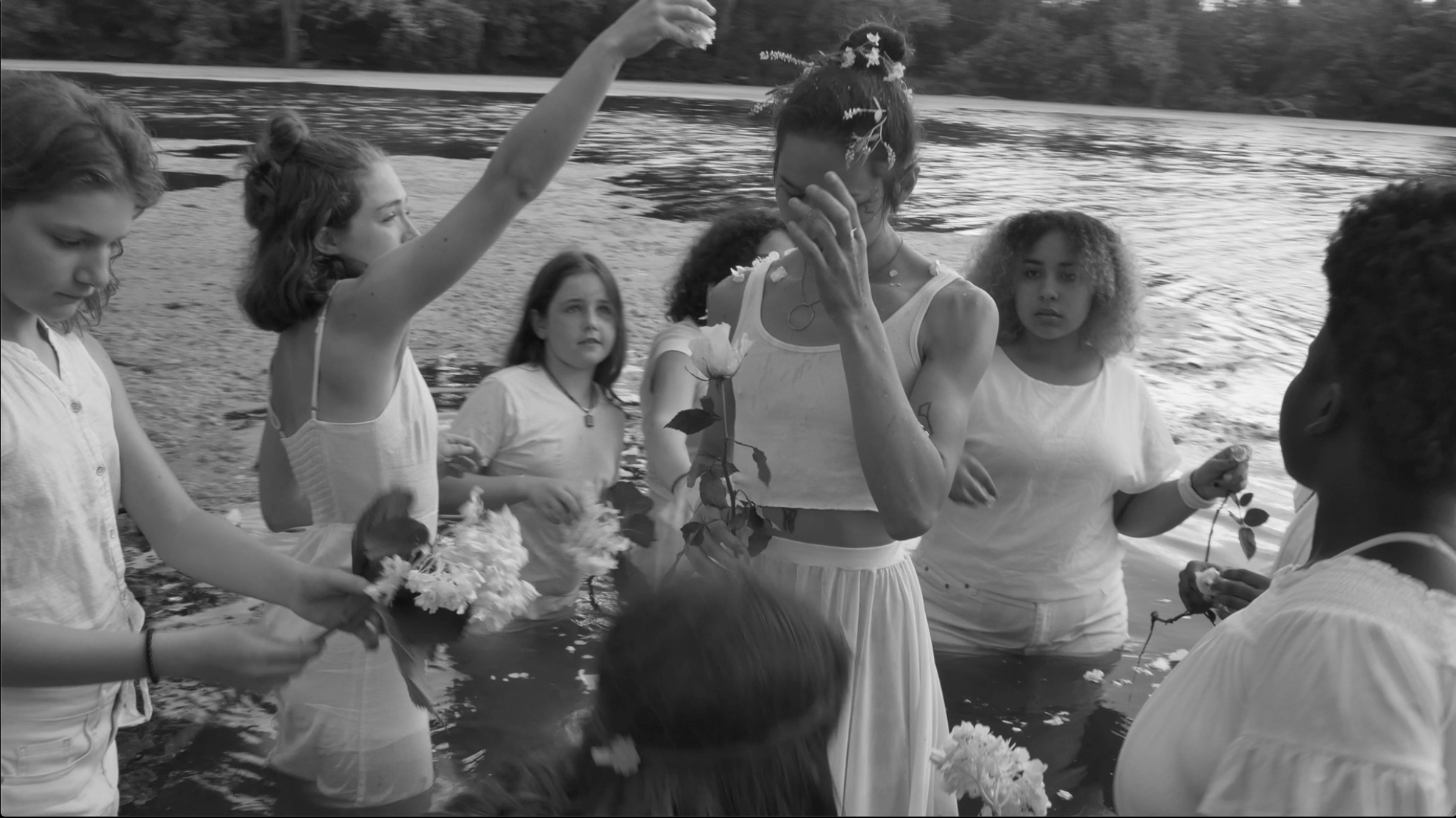
NOA: a music film is a companion piece to its 2019 namesake album and is a collaborative project which includes movement, poetry, music, and improvisation. The film weaves together nine songs featuring seven on-screen independent Chicago-based artists, and forming a non-linear story that strives to understand how to embrace and transform loss in our contemporary world. Each character brings their own perspective and creative vessel to this multidisciplinary exploration of grieving and healing; the aim is to infect viewers with the same kind of emotional bravery exhibited in its storytelling.

Teaching NOA: a music film
〰️
Teaching NOA: a music film 〰️
In a 2025 interview conducted over several months and published in Symposium: Canadian Journal of Continental Philosophy (also available open access through Academia), Lauren Guilmette engaged Tay Rogers on the making of their film, with responses and questions by Amy Marvin, Qrescent Mali Mason, and Kelly Gawel. Amy and Qrescent also contributed chapters to Feminist Making, Doing & Sensing (Chapter 20, Chapter 2, and Lauren’s rendition of Qrescent’s keynote lecture in Chapter 1) which bear on the questions they raise to Tay’s film. Along with this interview, their chapters can be assigned alongside Tay’s own chapter (Chapter 21) and the film itself (free on YouTube).
Classic feminist texts, referenced in NOA: a music film and free online, to assign alongside these chapters of Feminist Making, Doing & Sensing:
Audre Lorde, “Poetry Is Not a Luxury” (1977, also in Sister Outsider, 1984: 36-39)
Maria Lugones, “Playfulness, World-Traveling, and Loving Perception” (1987)
Gloria Anzaldúa, “Let Us Be the Healing of the Wound: The Coyolxauhqui imperative” (2002)
Tay designed this handout on teaching Lorde with Plato’s “Allegory of the Cave,” ideal for introductory students in philosophy courses. This worksheet can be used as a preparatory assignment before watching the film. Here are some reflection questions for after viewing the film:
Is clarity always the goal of knowledge in Lorde and NOA? How does that compare to Plato’s emphasis on seeing things “as they really are”?
Plato is suspicious of the body and emotion as sources of illusion. Lorde and Rogers treat feelings as a form of intelligence. How do these positions fundamentally disagree about what truth is?
Here is a recorded virtual class visit, when Tay visited Lauren’s “Queering Philosophy” class at Elon University, January 2024, to discuss NOA.
Students and interested readers are also encouraged to check out the interviews with collaborating artists in NOA, included on the film’s website. Tay’s website, emotionalphilosopher.com, has more resources.